5 Tips to Better Understand Food and Drink in Japan

Japan has a robust food and drink culture, not only in its diversity of cuisines but also in its regional specialties. It’s much broader than a visitor might expect.
Guidebooks and tourism websites can be very helpful in deciphering Japanese food and drink, like the difference between ramen and soba noodles, the alcohol level in shochu, the country’s distilled spirit, and the etiquette. For example, it’s okay to slurp your soup, but don’t point with your chopsticks or stick them into your rice.
Having just spent two weeks in Japan, I can attest that there are all sorts of fun facts about Japan’s cuisine that will enhance your experience, but are not in the guidebooks or on tourism websites. Here are five tips to better understand food and drink in Japan.
1. You’ll Find Great Food in Unexpected Locations
Japan is known for good food, well prepared and beautifully presented.
But don’t be surprised to discover food treats in the darndest places. I enjoyed wonderfully made-to-order udon noodles with raw egg and other toppings on a commercial ferry on our way to the volcanic island of Sakurajima from the town of Kagoshima, and a great mochi (a green rice cake stuffed with bean curd) from a street vendor in the village of Oshin Hakkai in the shadow of Mount Fuji.
Fancier dining can also turn into an unexpected gem. I had booked a dinner reservation at a particular Japanese steakhouse in Tokyo because it was within walking distance of our hotel and the menu looked good. It turned out it was in the red-light district of Kabuki-cho. Most of the signage was in Japanese, so while my GPS said we had arrived, we were at a bit of a loss. A very nice passerby directed us to a nearby nondescript building. The first restaurant in the building, on the second floor, was not where we had a reservation; ours was on the fourth floor.
But what a treat! The restaurant itself, Pandora Takumi, seats only 13 people at one long counter, and the meal is cooked in front of you. It has been family-owned for more than 50 years. We were the only Westerners. We had a fabulous 10-course meal, including the best Wagyu Teppanyaki beef ribeye steak. Who knew?

I’m sure some food in Japan is mediocre or worse, but we never experienced it.
2. Learn a Bit About Sake Before You Go
Sake, also called nihonshu, is often called rice wine, but more accurately is a brewed alcohol made from rice. It’s Japan’s most famous alcoholic beverage. There are more than 2,000 brands of sake in the country.
But how do you know what to order? Sake is much more complex than I realized. For example, it’s separated into grades, depending on how much of the rice grain remains after polishing. The more polishing, the better the grade. The highest grade, dai-ginjoshu, is so polished that only 50% of the rice grain remains. There are entire certification programs dedicated to learning about sake.
We learned that, as a rule, clear sake is of higher quality than cloudy sake, which is less filtered, making it heavier and sweeter. Dry or extra dry sake pairs better with fish, as sweet sake may overpower the food.
Typically, the better sakes are served cold. Most warm sake is from the lowest grade of sake (the warming hides the lower quality). In some parts of Japan, sake has a very high alcohol content, so the sake is diluted with water and then warmed.
But none of this takes into account personal preference. The key is to know that there are different types to try and drink what appeals to you. As one local told me, she prefers only one particular brand of sake, and she drinks it warm or cold, depending on the weather.

3. That Overpouring of Sake is Intentional
Typically, sake is served in a cup or glass placed in a shallow square or rectangular bowl. Sometimes an establishment or local will pour so much sake that it overflows the rim and fills up that shallow bottom bowl.
That’s not sloppy; it’s a sign of welcome. And yes, you can drink the overflow. Just remember that the bottom of your glass is wet.

4. Watch For Certain Rituals When at a Drinking Festival
Japan has a ton of festivals. Some are very famous, like the Gion Festival in Kyoto and the Sapporo Snow Festival. Many of them feature specialty foods and street fare.
There are also several festivals dedicated to drinking and/or sake. But some traditions at these events may not be advertised, and they may not appeal to you.
For instance, the coastal prefecture of Kochi, on the south side of the Island of Shikoku, celebrates the joy of drinking in a festival in Kochi City called Tosa no Okyaku. One local told us that Kochi has the highest alcohol consumption per capita in Japan.
The official festival website notes that revelers pay homage to the “God of Drunkards” mascot and that the event includes drinking games. One website even says that passersby may be pulled into the fun.
That sounds cool, but be warned: one of the drinking games is a contest to see who can drink the most sake in a designated period. Right after the contest, the participants run into the Pacific Ocean and puke it all out. You don’t want to be part of that stampede! Perhaps it’s so they can keep on partying, as alleged in Ancient Rome? I’m not sure if it’s an official part of the contest or simply a byproduct, but it has become part of the festival.
5. How You Eat a Popular Dessert Reveals Your Personality
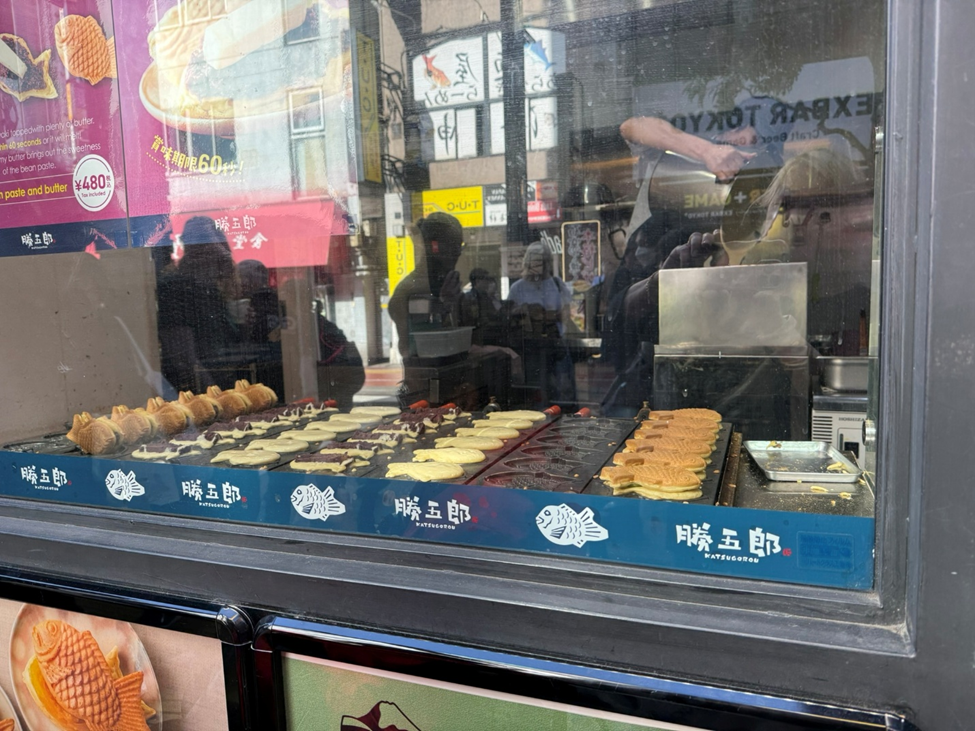
Taiyaki, a fish-shaped traditional pastry served warm and commonly filled with red bean paste, custard, and other flavors, is found throughout Japan. It’s named for tai (sea bream), a symbol of good fortune.
But Japanese pop psychology says that how you eat it discloses your personality. For instance, if you start at the head, you’re optimistic, assertive, and determined. If you start from the tail, you’re more of a romantic idealist. First bite on the fish’s back? You’re nervous, sensitive, and delicate.
We hope these five tips to better understand food and drink in Japan help you maximize your visit there. Do you have any tips to add? Please let us know! We’re at info@winewithourfamily.com.
If you enjoyed this post, visit our website and take a look at some of our related articles: